Information on Clinical Implementation of Lenacapavir for HIV-1 Pre-Exposure Prophylaxis (LEN for PrEP)

This medical site is intended as an online educational resource for U.S. healthcare professionals only. This site may include references to scientific information about Gilead products or uses that have not been approved by the U.S. Food and Drug Administration. The information provided is not intended to be and should not be understood to provide medical advice.

To enter the site, please confirm the following

By clicking “I am a U.S. healthcare professional”, you are acknowledging that you are a healthcare professional licensed to practice in the U.S.

MEDICAL AFFAIRS

A Gilead Medical Affairs Website Information on Clinical Implementation of Lenacapavir for HIV-1 Pre-Exposure Prophylaxis (LEN for PrEP)

LEN for PrEP (marketed as YEZTUGO) is a human immunodeficiency virus type 1 (HIV-1) antiretroviral agent with long-acting properties indicated for pre-exposure prophylaxis (PrEP) to reduce the risk of sexually acquired HIV-1 in adults and adolescents weighing at least 35 kg (77 lb) who have a higher likelihood of HIV-1 acquisition. Individuals must have a negative HIV-1 test prior to initiating LEN for PrEP.

LEN for PrEP is administered in a two-step dosing regimen. It starts with a combination of subcutaneous injections and oral tablets, followed by continuous subcutaneous injections once every 6 months (26 weeks) ± 2 weeks.

To understand the lenacapavir mechanism of action, watch this video.

BOXED WARNING: RISK OF DRUG RESISTANCE WITH USE OF LEN for PrEP FOR HIV-1 PRE-EXPOSURE PROPHYLAXIS (PrEP) IN UNDIAGNOSED HIV-1 INFECTION

Individuals must be tested for HIV-1 infection prior to initiating LEN for PrEP, and with each subsequent injection of LEN for PrEP, using a test approved or cleared by the FDA for the diagnosis of acute or primary HIV-1 infection. Drug-resistant HIV-1 variants have been identified with the use of LEN for PrEP by individuals with undiagnosed HIV-1 infection. Do not initiate LEN for PrEP unless negative infection status is confirmed. Individuals who acquire HIV-1 while receiving LEN for PrEP must transition to a complete HIV-1 treatment regimen.

CONTRAINDICATIONS

  • Unknown or positive HIV-1 status.


WARNINGS AND PRECAUTIONS

  • Comprehensive management to reduce the risk of HIV-1 acquisition.
  • Potential risk of developing resistance to lenacapavir if an individual acquires HIV-1 either before or when receiving LEN for PrEP or following discontinuation of LEN for PrEP. Test before each injection and additionally as clinically appropriate to confirm HIV-1 negative status.
  • Residual concentrations of lenacapavir may remain in systemic circulation for up to 12 months or longer.
  • Improper administration (intradermal injection) has been associated with serious injection site reactions.


ADVERSE DRUG REACTIONS

  • Most common adverse drug reactions (incidence greater than or equal to 5%, all grades) are injection site reactions, headache, and nausea.


To report SUSPECTED ADVERSE DRUG REACTIONS, contact Gilead Sciences, Inc. at 1-800-GILEAD-5 or FDA at 1-800-FDA-1088 and select option #3 or www.fda.gov/medwatch.


DRUG INTERACTIONS

  • Consult the full Prescribing Information for important drug interactions with LEN for PrEP.

REFERENCE:

  1. YEZTUGO Prescribing Information. Gilead Sciences, Inc. 2025.

The efficacy and safety of LEN for PrEP in reducing the risk of HIV-1 acquisition were evaluated in two randomized, double-blind, active-controlled, multinational trials: PURPOSE 1 and PURPOSE 2.1

PURPOSE 1:
Study Design

  • Phase 3, double-blind, active-controlled, multicenter, randomized study in sexually active cisgender adolescent girls and young women (including participants who may become pregnant) in South Africa and Uganda who had a high likelihood of acquiring HIV-1.1,2
  • Background HIV-1 (bHIV) incidence – i.e., the HIV incidence expected in the absence of PrEP (analogous to a placebo group) – was calculated in the screened population (N=8,094).2
  • Participants were randomly assigned in a 2:2:1 ratio to receive either twice-yearly (every 6 months) LEN for PrEP (N=2,134), once-daily F/TAF (emtricitabine/tenofovir alafenamide) (N=2,136), or once-daily F/TDF (emtricitabine/tenofovir disoproxil fumarate) (N=1,068) along with corresponding oral tablet placebo or placebo injection.1,2
  • The use of F/TAF for HIV prevention in cisgender women is investigational. The safety and efficacy for this use have not been established.4


Baseline Characteristics

  • The median age of participants was 21 years (range, 16‑26); 99.9% were Black.1
  • Baseline characteristics in the randomized participants were similar to the screened population.1


Outcomes/Results

  • The efficacy endpoint was the rate of incident HIV-1 acquisitions per 100 person-years (PY) in participants randomized to LEN for PrEP compared with the rate of incident HIV-1 acquisitions per 100 PY in participants randomized to F/TDF.1
  • At the final analysis, incident HIV-1 acquisitions were observed in 0 participants in the LEN for PrEP group vs. 16 participants in the F/TDF group.1


Overall HIV-1 Incidence Outcomes in PURPOSE 1 at Final Analysis1a
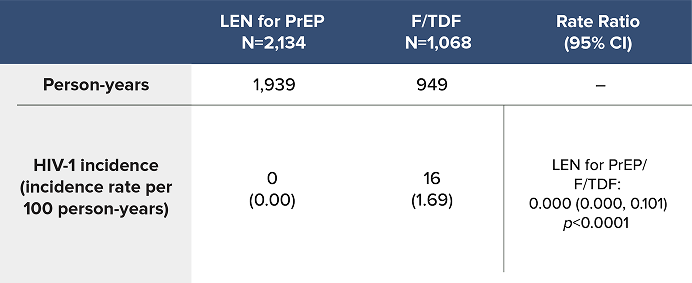
LEN for PrEP demonstrated superiority with a 100% reduction in the likelihood of incident HIV-1 acquisition over F/TDF1

a The determination of efficacy was based on planned interim analyses (which became the final analysis) following sequential testing of HIV-1 incidence for LEN for PrEP compared to bHIV followed by LEN for PrEP compared to F/TDF all at alpha level of 0.0026 when 50% of planned randomized participants completed at least 52 weeks of follow-up or prematurely discontinued from study. LEN for PrEP also demonstrated superiority over bHIV in risk of incident HIV-1 acquisitions.1
CI=confidence interval.


PURPOSE 2:
Study Design

  • Phase 3, double-blind, active-controlled, multicenter, randomized trial in sexually active cisgender gay, bisexual, and other men, transgender women, transgender men, and gender nonbinary individuals who had unknown HIV-1 status at screening and who had a higher likelihood of acquiring HIV-1 based on sexual activity with male partners.1,3
  • Background HIV-1 incidence was calculated in the screened population (N=4,634).3
  • Participants were randomized to receive twice-yearly (every 6 months) LEN for PrEP (N=2,179) or once-daily F/TDF (N=1,086) in a 2:1 ratio.1


Baseline Characteristics

  • The median age of participants was 29 years (range, 17-74); 67% were non-White; 63% were Hispanic/Latine; and 22% identified as gender-diverse (transgender women, transgender men, and gender nonbinary people).1,3
  • Baseline characteristics in the randomized participants were similar to the screened population.1


Outcomes/Results

  • The efficacy endpoint was the rate of incident HIV-1 acquisitions per 100 PY in participants randomized to LEN for PrEP compared with the rate of incident HIV-1 acquisitions per 100 PY in participants randomized to F/TDF.1
  • At the final analysis, incident HIV-1 acquisitions were observed in 2 participants in the LEN for PrEP group vs. 9 participants in the F/TDF group.1


Overall HIV-1 Incidence Outcomes in PURPOSE 2 at Final Analysis1a
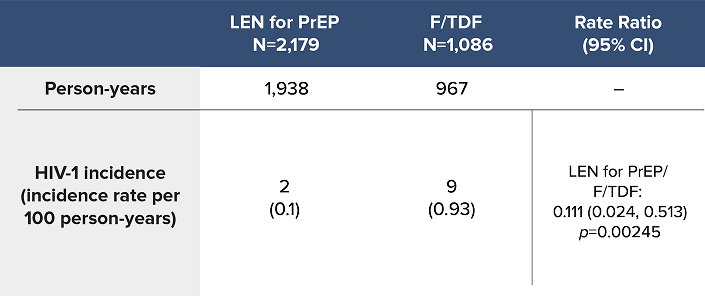
LEN for PrEP demonstrated superiority with an 89% reduction in the likelihood of incident HIV-1 acquisition over F/TDF1

a The determination of efficacy was based on planned interim analyses (which became the final analysis) following sequential testing of HIV-1 incidence for LEN for PrEP compared to bHIV followed by LEN for PrEP compared to F/TDF; all at alpha level of 0.0026 when 50% of planned randomized participants completed at least 52 weeks of follow-up or prematurely discontinued from the study. LEN for PrEP also demonstrated superiority over bHIV in risk of incident HIV-1 acquisitions.1
CI=confidence interval.


LEN for PrEP Safety Data1

  • Adverse drug reactions (all grades) reported in ≥2% of participants receiving LEN for PrEP in either PURPOSE 1 or PURPOSE 2 were injection site reactions (ISRs), headache, nausea, dizziness, vomiting, and diarrhea.
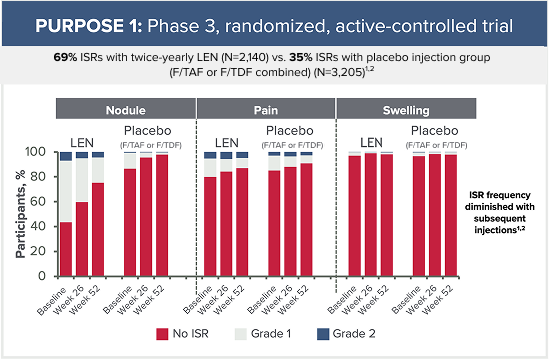
  • ISRs (all grades) reported in ≥2% of participants receiving LEN for PrEP in PURPOSE 1 or PURPOSE 2 included nodule, pain, induration, swelling, pruritus, erythema, bruising, and warmth.
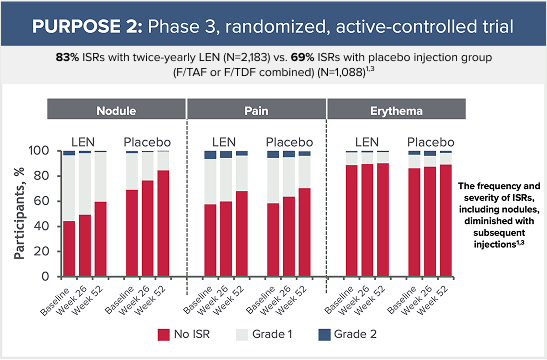
  • The majority of ISRs associated with LEN for PrEP in PURPOSE 1 and PURPOSE 2 were mild or moderate in severity.
  • Injection site nodule was the most commonly reported ISR in individuals receiving LEN for PrEP in PURPOSE 1 and PURPOSE 2 and resolved more slowly than other ISRs.
  • In PURPOSE 1, injection site nodule was reported in 64% of participants who received LEN for PrEP. The median duration of nodules associated with the first injections of LEN for PrEP was 350 (interquartile range: 182, 470) days. The median of the maximum observed nodule diameter from each participant was 3.0 (interquartile range: 2.0, 3.5) cm.
  • In PURPOSE 2, injection site nodule was reported in 63% of participants who received LEN for PrEP. The median duration of nodules associated with the first injections of LEN for PrEP was 297 (interquartile range: 176, 423) days. The median of the maximum observed nodule diameter for each participant was 3.0 (interquartile range: 2.0, 4.0) cm.

Grade 3 ISRs reported in PURPOSE 1 included:2
  • 6 cases of injection-site ulcer (3 in the LEN for PrEP group, 2 in the F/TAF group, and 1 in the F/TDF group)
  • 1 case of nodule (in the LEN for PrEP group)
  • 1 case of pain (in the F/TDF group)

Grade 3 ISRs reported in PURPOSE 2 included:3

  • 7 cases of ulcer in the LEN for PrEP group
  • 5 cases of pain (4 in the LEN for PrEP group, 1 in the F/TDF group)
  • 3 cases of erythema in the LEN for PrEP group

Most Common Non-ISR Adverse Drug Reactions (ADRs)
Reported in ≥2% of Participants Receiving LEN for PrEP in PURPOSE 1 or PURPOSE 2:1
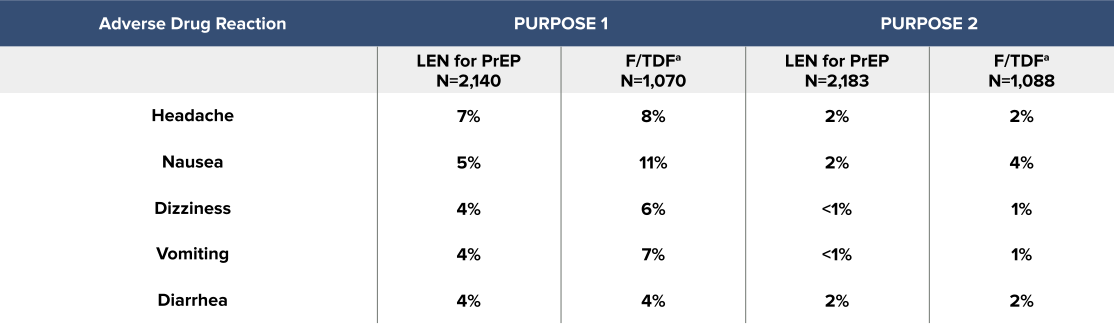
a Participants received placebo subcutaneous injections (polyethylene glycol 400).
For complete safety information, please refer to the YEZTUGO full Prescribing Information, including Boxed Warning.

HIV-1=human immunodeficiency virus type 1; LEN for PrEP=lenacapavir for pre-exposure prophylaxis.

REFERENCES:

  1. YEZTUGO Prescribing Information. Gilead Sciences, Inc. 2025.
  2. Bekker LG, Das M, Abdool Karim Q, et al. Twice-yearly lenacapavir or daily F/TAF for HIV prevention in cisgender women. N Engl J Med. 2024;391(13):1179-92.
  3. Kelley CF, Acevedo-Quiñones M, Agwu AL, et al. Twice-yearly lenacapavir for HIV prevention in men and gender-diverse persons. N Engl J Med. 2025;392(13):1261-76.
  4. DESCOVY Prescribing Information. Gilead Sciences, Inc. 2022.

Indications and Usage
LEN for PrEP is indicated for pre‑exposure prophylaxis (PrEP) to reduce the risk of sexually acquired HIV-1 in adults and adolescents weighing at least 35 kg who have a higher likelihood of HIV-1 acquisition. Individuals must have a negative HIV-1 test prior to initiating LEN for PrEP.

HIV-1 Screening
Screen all individuals for HIV-1 prior to initiating LEN for PrEP, prior to each subsequent injection of LEN for PrEP, and additionally as clinically appropriate, using a test approved or cleared by the FDA for the diagnosis of acute or primary HIV-1 infection. When screening for HIV-1 prior to initiating LEN for PrEP, if an antigen/antibody-specific test is used and provides negative results, then such negative results should be confirmed using an RNA-specific assay, even if the results of the RNA-assay are available after LEN for PrEP initiation. When screening for HIV-1 prior to continuing LEN for PrEP, negative results from a rapid, point-of-care antigen/antibody test should be confirmed using a more sensitive assay.

General considerations when prescribing LEN for PrEP:*


  • Adherence to scheduled dosing visits is important. Prior to starting LEN for PrEP, healthcare providers should carefully select individuals who agree to the required testing and an every-6-month injection dosing schedule. Individuals should be counseled about the importance of adherence to scheduled LEN for PrEP dosing visits to help reduce the likelihood of acquiring HIV-1 and development of resistance.
  • LEN for PrEP should be used as part of a comprehensive prevention strategy to reduce the likelihood of acquiring HIV-1 and other sexually transmitted infections (STIs). This includes adherence to the administration schedule and engaging in safer sex practices (including using condoms).
  • LEN for PrEP is not always effective in preventing HIV-1 acquisition. The time from initiation of LEN for PrEP to maximal protection against HIV-1 acquisition is unknown.
  • Likelihood of HIV-1 acquisition includes behavioral, biological, or epidemiologic factors including, but not limited to, condomless sex, past or current STIs, self-identified likelihood of HIV acquisition, having sexual partners of unknown HIV-1 viremic status, or sexual activity in a high-prevalence area or network.
  • Counsel individuals on the use of other prevention measures (e.g., consistent and correct condom use; knowledge of partner(s)’ HIV-1 status, including viral suppression status; and regular testing for STIs that can facilitate HIV-1 transmission). Inform individuals about and support their efforts in reducing sexual behaviors associated with the increased likelihood of HIV-1 acquisition.


Considerations for specific populations
Pregnancy

  • Data from PURPOSE 1 with LEN for PrEP use during pregnancy have not identified a drug-associated risk for miscarriage, or adverse maternal or fetal outcomes when compared to active control.
  • The rate of major birth defects in LEN for PrEP-exposed pregnancies did not exceed the background prevalence rates.
  • Risk estimates are imprecise due to small numbers of exposed pregnancies.
  • Published studies indicate an increased likelihood of acquiring HIV during pregnancy and an increased likelihood of mother-to-child transmission during acute HIV cases. In women who are likely to acquire HIV-1, consideration should be given to methods to prevent acquisition of HIV-1, including continuing or initiating LEN for PrEP, during pregnancy.
  • There is a pregnancy exposure registry that monitors pregnancy outcomes in individuals exposed to LEN for PrEP during pregnancy. Healthcare providers are encouraged to register individuals by calling the Antiretroviral Pregnancy Registry (APR) at 1-800-258-4263.

Lactation

  • Lenacapavir is present in human milk.
  • Lenacapavir was detected at very low levels in infants who were breastfed by individuals who became pregnant while receiving LEN for PrEP.
  • No adverse effects of lenacapavir in breastfed infants have been observed.
  • It is not known if LEN for PrEP affects milk production.
  • In women without HIV-1, the developmental and health benefits of breastfeeding and the mother’s clinical need for LEN for PrEP should be considered along with any potential adverse effects on the breastfed child from LEN for PrEP and the likelihood of HIV-1 acquisition due to nonadherence and subsequent mother-to-child transmission.

Pediatrics

  • The safety and efficacy of LEN for PrEP have been established in adolescent individuals weighing at least 35 kg who have an increased likelihood of HIV-1 acquisition.
  • PURPOSE 1 and PURPOSE 2 enrolled a total of 128 adolescent participants. In the 59 adolescents who received LEN for PrEP, the safety data were comparable to the safety data reported in adults receiving LEN for PrEP.
  • Adolescents may benefit from additional counseling and appointment reminders to support adherence to the dosing and testing schedule.
  • The safety, effectiveness, and pharmacokinetics of LEN for PrEP in pediatric populations weighing less than 35 kg have not been established.

Geriatrics

  • Clinical studies of LEN for PrEP did not include sufficient numbers of participants aged 65 and over to determine whether they respond differently from younger individuals.
  • In general, caution should be exercised in the administration of LEN for PrEP in elderly individuals, reflecting greater frequency of decreased hepatic, renal, or cardiac function and of concomitant disease or other drug therapy.

Renal impairment

  • No dosage adjustment of LEN for PrEP is recommended in individuals with mild, moderate, or severe renal impairment (estimated creatinine clearance ≥15 mL per minute).
  • LEN for PrEP has not been studied in individuals with ESRD (estimated creatinine clearance <15 mL per minute).

Hepatic impairment

  • No dosage adjustment of LEN for PrEP is recommended in individuals with mild (Child-Pugh Class A) or moderate (Child-Pugh Class B) hepatic impairment.
  • LEN for PrEP has not been studied in individuals with severe hepatic impairment (Child-Pugh Class C).
* Upon diagnosis of other STIs or if clinical symptoms consistent with acute HIV-1 are present, use a test approved or cleared by the FDA for the diagnosis of acute or primary HIV-1 acquisition.
ESRD=end-stage renal disease; FDA=Food and Drug Administration; HIV-1=human immunodeficiency virus type 1; LEN for PrEP=lenacapavir for pre-exposure prophylaxis.

REFERENCE:

  1. YEZTUGO Prescribing Information. Gilead Sciences, Inc. 2025.

LEN for PrEP is supplied as a combination of oral tablets and subcutaneous injections.
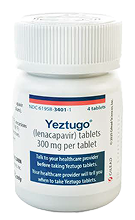
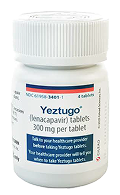
YEZTUGO tablets
(NDC 61958-3401-1)
(Each tablet contains 300 mg of lenacapavir)
Images not to actual size.

Each bottle contains 4 tablets:

  • Beige-colored
  • Capsule-shaped
  • Film-coated
  • Debossed with ‘GSI’ on one side and ‘62L’ on the other side
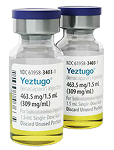
YEZTUGO injection
(NDC 61958-3402-1)
(Each single-dose vial contains 463.5 mg/1.5 mL of lenacapavir)

Each injection dosing kit contains all the necessary components for injecting one complete dose (two 1.5 mL injections) of YEZTUGO:

  • 2 single-dose clear glass vials containing:
    • Clear, yellow solution with no visible particles
    • Sterile
    • Preservative-free
  • 2 disposable syringes
  • 2 withdrawal needles (18-gauge, 1.5-inch)
  • 2 injection safety needles for subcutaneous injection (22-gauge, 0.5-inch)

HIV-1=human immunodeficiency virus type 1; LEN for PrEP=lenacapavir for pre-exposure prophylaxis.


REFERENCE:

  1. YEZTUGO Prescribing Information. Gilead Sciences, Inc. 2025.

Drugs without Clinically Significant Interactions with LEN for PrEP
Based on drug interaction studies conducted with LEN for PrEP, no clinically significant drug interactions have been observed with:

  • atorvastatin
  • famotidine
  • pitavastatin
  • rosuvastatin
  • tenofovir alafenamide
  • voriconazole


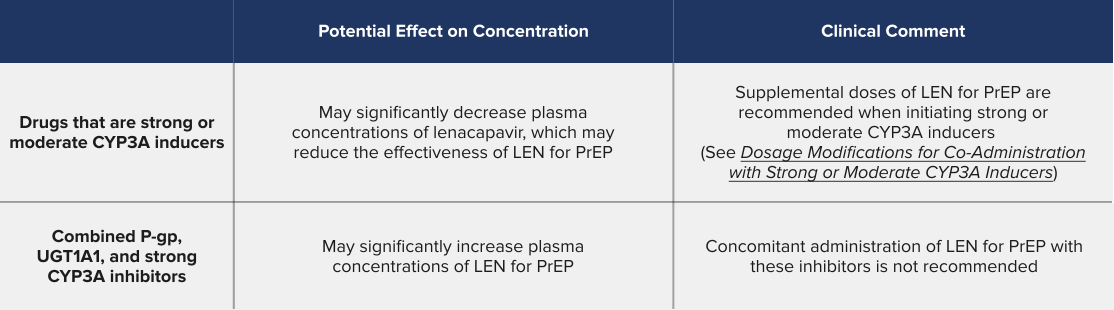
Effect of Other Drugs on LEN for PrEP
Lenacapavir is a substrate of P-gp, UGT1A1, and CYP3A.


Effect of LEN for PrEP on Other Drugs

  • Lenacapavir is a moderate inhibitor of CYP3A and a P-gp inhibitor.
    • The co-administration of LEN for PrEP with sensitive substrates of CYP3A or P-gp may increase the concentrations of these substrates and result in the increased likelihood of their adverse events. See the prescribing information of these sensitive substrates for dosing recommendations or appropriate monitoring of safety.
    • Due to the long half-life of lenacapavir following subcutaneous administration, LEN for PrEP may increase the exposure of drugs primarily metabolized by CYP3A initiated within 9 months after the last subcutaneous dose of LEN for PrEP.
For more information on DDI considerations, refer to YEZTUGO full Prescribing Information, including Boxed Warning.

CYP3A=cytochrome P450 3A; HIV-1=human immunodeficiency virus type 1; LEN for PrEP=lenacapavir for pre-exposure prophylaxis; P-gp=permeability glycoprotein; UGT1A1=uridine 5’-diphospho-glucuronosyltransferase 1A1.


REFERENCE:

  1. YEZTUGO Prescribing Information. Gilead Sciences, Inc. 2025.
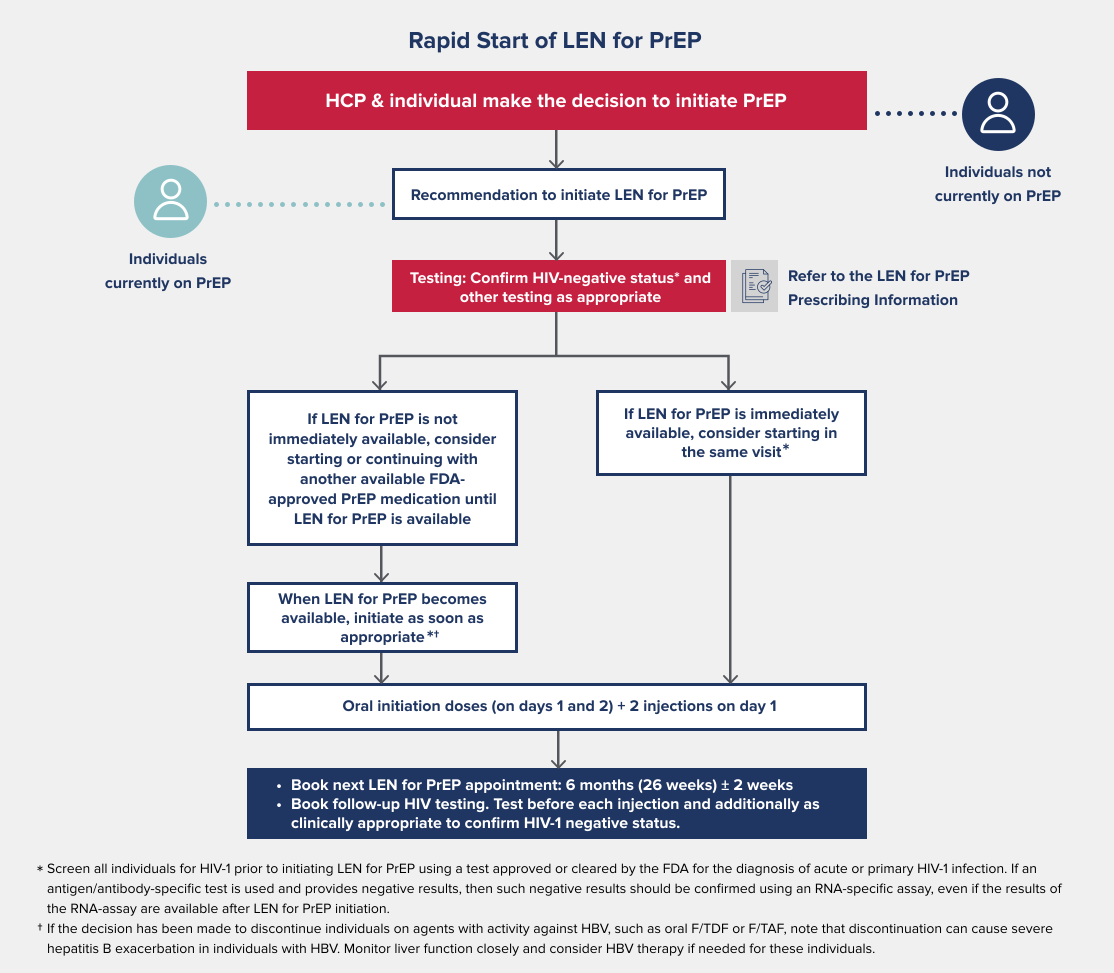
  • Providing PrEP medication for individuals who need or want PrEP promptly is crucial to reducing the likelihood of acquiring HIV.1
  • If LEN for PrEP is recommended and immediately available, same-day initiation is possible; however, individuals must have a negative HIV-1 test prior to initiation.* If not, consider starting or continuing another FDA-approved PrEP medication until LEN for PrEP becomes available.1,2
  • The decision to start PrEP should be based on healthcare professional judgment after shared clinical decision-making and based on individual interest.1
  • If the decision has been made to switch individuals who need or want PrEP from agents with activity against HBV (such as F/TDF or F/TAF) to LEN for PrEP, healthcare professionals should be aware that discontinuation of these agents can cause severe hepatitis B exacerbation in individuals living with HBV. Monitor liver function closely and consider HBV therapy if needed for these individuals.3,4
For more information about initiating LEN for PrEP, refer to YEZTUGO full Prescribing Information, including Boxed Warning.

Algorithm intended for illustrative purposes only. This information does not constitute medical advice.

The decision to start PrEP should be based on healthcare professional judgment after shared clinical decision-making and based on individual interest.

FDA=Food and Drug Administration; F/TAF=emtricitabine/tenofovir alafenamide; F/TDF=emtricitabine/tenofovir disoproxil fumarate; HBV=hepatitis B virus; HCP=healthcare professional; HIV-1=human immunodeficiency virus type 1; LEN for PrEP=lenacapavir for pre-exposure prophylaxis.

REFERENCES:

  1. United States. Public Health Service. (2021). Preexposure prophylaxis for the prevention of HIV infection in the United States – 2021 update: clinical practice guideline. Accessed March 2025.
  2. YEZTUGO Prescribing Information. Gilead Sciences, Inc. 2025.
  3. Truvada Prescribing Information. Gilead Sciences, Inc. 2024.
  4. Descovy Prescribing Information. Gilead Sciences, Inc. 2022.

The LEN for PrEP dosing schedule consists of a required initiation dosing (subcutaneous injections and oral tablets) followed by once-every-6-months (26 weeks) ± 2 weeks continuation dosing (subcutaneous injections).1

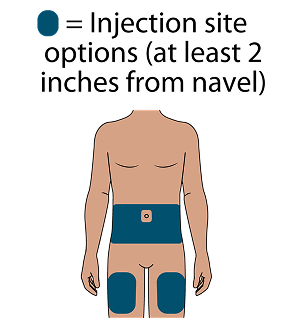
Subcutaneous (SC) injections are administered into the abdomen by a healthcare provider. The thigh may be used as an alternate site if preferred. Do NOT administer intradermally due to the risk of serious injection site reactions.1

An oral initiation dose is needed on Day 1 and Day 2 to achieve adequate concentrations of lenacapavir quickly due to the slow initial release of subcutaneous lenacapavir.1,2

Dosing Schedule for LEN for PrEP Initiation and Continuation in Adults and Adolescents Weighing at Least 35 kg1

Initiationa
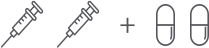
Day 1

927 mg by subcutaneous injection
(2 x 1.5 mL injections) and
600 mg orally (2 x 300 mg tablets)
Day 2

600 mg orally
(2 x 300 mg tablets)

Continuation
Every 6 months (26 weeks)b +/- 2 weeks

927 mg by subcutaneous injection
(2 x 1.5 mL injections)
Tablets may be taken with or without food.
aThe complete initiation dosing schedule, consisting of subcutaneous injections and oral tablets, is required; the efficacy of LEN for PrEP has only been established with this dosing schedule.
bFrom the date of the last injection.


Missed Doses1

Missed Oral Initiation Dose

  • If the Day 2 oral initiation dose (600 mg) is missed, it should be taken as soon as possible.
  • Day 1 and Day 2 oral initiation doses should not be taken on the same day.


Anticipated Delayed Injections1

  • During continuation dosing, if a scheduled 6-month injection is anticipated to be delayed by more than 2 weeks, LEN for PrEP tablets may be taken on an interim basis (for up to 6 months if needed), until injections resume.


Dosing Schedule for Anticipated Delayed Injections: Weekly Oral Dosage1

Time Since Last Injection 26 to 28 weeks

Dosage of LEN for PrEP
Oral dosage of 300 mg taken once every 7 days.a
Resume the continuation injection dosage within 7 days after the last oral dose.

aUse on an interim basis only (for up to 6 months if needed).


Missed Injections1

  • Individuals who miss a scheduled injection visit should be clinically reassessed to ensure resumption of LEN for PrEP remains appropriate, and that the individual remains HIV-1 negative.
  • During continuation dosing, if more than 28 weeks have elapsed since the last injection and LEN for PrEP tablets have not been taken, please follow the below dosing schedule after unplanned missed injections.
  • Adherence to the injection dosing schedule is strongly recommended.


Dosing Schedule After Missed Injections1

Time Since Last Injection More than 28 weeks

Dosage of LEN for PrEP
Reinitiate with initiation dosing schedule from Day 1 and then continue with continuation injection dosing.

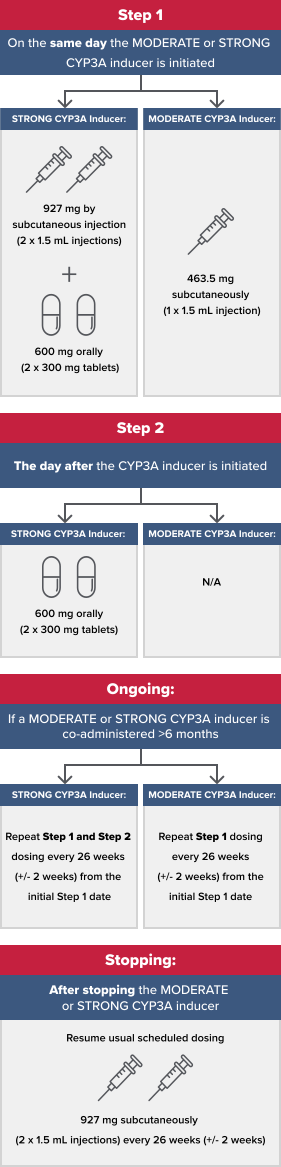
Dosing Recommendations for Individuals Receiving LEN for PrEP and Initiating a STRONG or MODERATE CYP3A Inducer1a

Proceed with scheduled continuation injection dosing of LEN for PrEP

927 mg by subcutaneous injection
(2 x 1.5 mL injections) every 26 weeks (+/- 2 weeks)

Administer SUPPLEMENTAL DOSES of LEN for PrEP as follows:

Wait at least 2 days after LEN for PrEP is first initiated before initiating STRONG CYP3A inducers. MODERATE CYP3A inducers may be started at any time after LEN for PrEP initiation.

a Dosing recommendations are not available for the initiation of LEN for PrEP in individuals already receiving strong or moderate CYP3A inducers, nor in individuals receiving the weekly oral dosage of LEN for PrEP (see Dosing Schedule after Anticipated Delayed Injections: Weekly Oral Dosage)

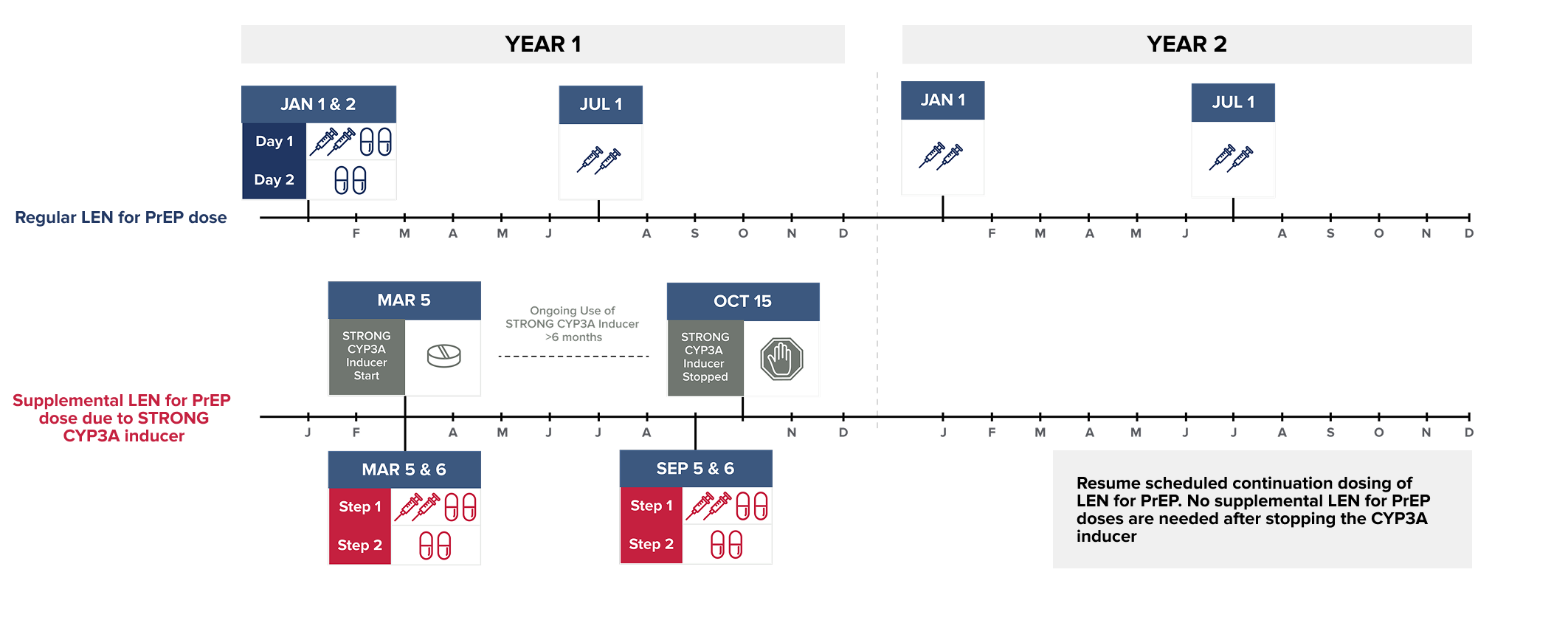
Example Scenario: Jamie receives LEN for PrEP and then starts a STRONG CYP3A inducer

NOTE: The STRONG CYP3A inducer may be initiated any time after 2 days following LEN for PrEP initiation.


  • On January 1st, Jamie initiates LEN for PrEP.
    • Day 1: 2 x 1.5 mL SC injections, 2 x 300 mg oral tablets
    • Day 2: 2 x 300 mg oral tablets
  • Jamie’s next continuation dose of LEN for PrEP is scheduled 26 weeks later, on July 1st.
    • 2 x 1.5 mL SC injections
  • On March 5th of the same year, Jamie begins a STRONG CYP3A inducer.
    • A supplemental LEN for PrEP dose is provided on March 5th and March 6th (on the same day and the day after starting the STRONG CYP3A inducer).
      • March 5: 2 x 1.5 mL SC injections, 2 x 300 mg oral tablets
      • March 6: 2 x 300 mg oral tablets
  • Jamie continues to receive scheduled LEN for PrEP continuation doses every 26 weeks (+/- 2 weeks): January and July.
    • 2 x 1.5 mL SC injections
  • As long as Jamie continues to take the STRONG CYP3A inducer for >6 months, Jamie should also continue to receive supplemental LEN for PrEP doses every 26 weeks (+/- 2 weeks) from the original supplemental dose: September.
    • September 5: 2 x 1.5 mL SC injections, 2 x 300 mg oral tablets
    • September 6: 2 x 300 mg oral tablets
  • Jamie stops their STRONG CYP3A inducer on October 15th. After STOPPING the STRONG CYP3A inducer, Jamie resumes scheduled continuation injections dosing of LEN for PrEP. No additional supplemental doses are required.
    • 2 x 1.5 mL SC injections every 26 weeks (+/- 2 weeks)

Dosing recommendations are not available for the initiation of LEN for PrEP in individuals already receiving STRONG CYP3A inducers.
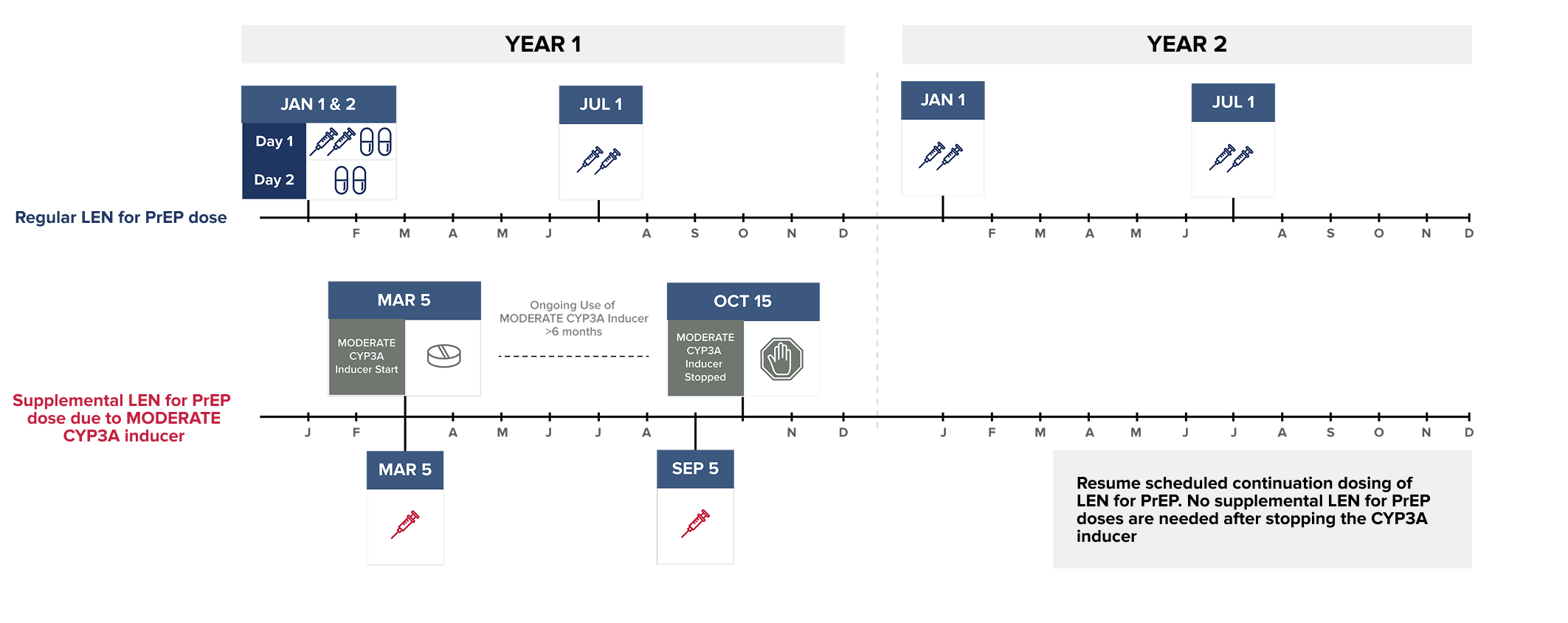
Example Scenario: Ari receives LEN for PrEP and then starts a MODERATE CYP3A inducer

NOTE: The MODERATE CYP3A inducer may be initiated any time after LEN for PrEP is initiated.


  • On January 1st, Ari initiates LEN for PrEP.
    • Day 1: 2 x 1.5 mL SC injections, 2 x 300 mg oral tablets
    • Day 2: 2 x 300 mg oral tablets
  • Ari’s next continuation dose of LEN for PrEP is scheduled 26 weeks later, on July 1st.
    • 2 x 1.5 mL SC injections
  • On March 5th of the same year, Ari begins MODERATE CYP3A inducer.
    • A supplemental LEN for PrEP dose is provided on March 5th (on the same day as starting a MODERATE CYP3A inducer).
      • March 5: 1 x 1.5 mL SC injection
  • Ari continues to receive scheduled LEN for PrEP continuation doses every 26 weeks (+/- 2 weeks): January and July.
    • 2 x 1.5 mL SC injections
  • As long as Ari continues to take the MODERATE CYP3A inducer >6 months, Ari should also continue to receive supplemental LEN for PrEP doses every 26 weeks (+/- 2 weeks) from the original supplemental dose: September.
    • September 5: 1 x 1.5 mL SC injection
  • Ari stops their MODERATE CYP3A inducer on October 15th. After STOPPING the MODERATE CYP3A inducer, Ari resumes scheduled continuation injection dosing of LEN for PrEP. No additional supplemental doses are required.
    • 2 x 1.5 mL SC injections every 26 weeks (+/- 2 weeks)

Dosing recommendations are not available for the initiation of LEN for PrEP in individuals already receiving MODERATE CYP3A inducers.
For more information on dosing, please refer to the YEZTUGO full Prescribing Information, including Boxed Warning.

REFERENCES:

  1. YEZTUGO Prescribing Information. Gilead Sciences, Inc. 2025.
  2. Begley R, Lutz J, Rhee M, et al. Lenacapavir sustained delivery formulation supports 6-month dosing Interval. AIDS 2020: 23rd International AIDS Conference Virtual.

LEN for PrEP Dosing Schedule Tool

Use the Dosing Schedule Tool below to determine an individual’s next LEN for PrEP injection window. This window is calculated from the exact date the last injection was given (i.e., 26 weeks, +/- 2 weeks).1

Regular LEN for PrEP Dosing

Please select the type of LEN for PrEP dose:

Select Date Injection was
Administered:

Supplemental LEN for PrEP Dosing

Supplemental doses of LEN for PrEP are recommended in individuals starting a strong or moderate CYP3A inducer. Supplemental doses are given in addition to scheduled continuation LEN for PrEP doses, for as long as the individual remains on the CYP3A inducer.1

To see the recommended supplemental LEN for PrEP dose, select the CYP3A inducer from the list below:*1-4

* Lists are not exhaustive.

REFERENCES:

  1. YEZTUGO Prescribing Information. Gilead Sciences, Inc. 2025.
  2. Drugs.com (n.d.) Drug interactions checker. https://www.drugs.com/drug_interactions.html. Accessed September 5, 2025.
  3. FDA. For Healthcare Professionals | FDA’s Examples of Drugs that Interact with CYP Enzymes and Transporter Systems. https://www.fda.gov/drugs/drug-interactions-labeling/healthcare-professionals-fdas-examples-drugs-interact-cyp-enzymes-and-transporter-systems. Accessed September 5, 2025.
  4. Manoli V, John D, Rong W et al. Effect of Rifampin and Rifabutin on the Pharmacokinetics of Lersivirine and Effect of Lersivirine on the Pharmacokinetics of Rifabutin and 25-O-Desacetyl-Rifabutin in Healthy Subjects. Antimicrobial agents and chemotherapy. 2012:56. 4303-9.
Pre-Injection Counseling and Care

Individuals receiving LEN for PrEP should be informed about what to expect during and after injections.1

1. Drug depot formation

  • It is important to understand LEN’s mechanism of depot formation to set expectations for individuals receiving LEN.1
  • When LEN for PrEP is injected, a drug depot forms in the subcutaneous tissue (SC) whereby lenacapavir is slowly released into the systemic circulation over time. This allows for a twice-yearly continuation injection schedule.1
  • The drug depot can lead to a possible reaction.1
  • In some individuals, but not all, this may lead to a palpable – although not usually visible – nodule at the injection site.1
  • The absence of a nodule does not imply the medication is not working.1
  • Nodules are expected to reduce in size over time.1-3


For illustrative purposes only.


2. ISRs

  • ISRs are common side effects experienced by most people who take LEN for PrEP.1
    • ISRs may include pain, erythema, and swelling at the injection site, and may resolve within days.1,4
    • Other possible ISRs include induration, pruritus, bruising, and warmth.1-3
  • Following routine clinical care techniques (e.g., proper injection method, ice application and administering analgesics for pain) before, during, and after injection may help address ISRs.3,5-8


3. None of the ISRs in the PURPOSE 1 and PURPOSE 2 trials were serious. Individual results may vary. Advise individuals receiving LEN for PrEP to tell their healthcare provider if they experience any ISRs or other side effects.1

Techniques to Help Address Pain

These techniques for injection site pain are commonly used in routine clinical care and are not specific to LEN for PrEP. Some individuals may find these techniques helpful.


Ice
Applying an ice pack ~10 minutes before injection to both injection sites can help reduce injection-related pain.7
Topical Analgesic

If clinically appropriate, applying topical analgesics (e.g., lidocaine-prilocaine EMLA cream, not patches) can help reduce injection-related pain.7,8

Apply at least 30 minutes before injection to both injection sites, if not contraindicated.7,8

Before injecting, wipe off the cream from the injection site with an alcohol swab.5

Pain Relief Devices
If clinically appropriate, applying injection pain relief devices that use pressure or vibration can block pain signals.9
Click here to download the LEN for PrEP Injection-Site Reaction (ISR) Care Brochure.
HIV-1=human immunodeficiency virus type 1; ISR=injection-site reaction; LEN for PrEP=lenacapavir for pre-exposure prophylaxis; SC=subcutaneous.

REFERENCES:

  1. YEZTUGO Prescribing Information. Gilead Sciences, Inc. 2025.
  2. Bekker L, et al. New Engl J Med. 2024; 391(13):1179-1192. doi: 10.1056/NEJMoa2407001.
  3. Kelley C, et al. New Engl J Med. 2025;392(13):1261-1276. doi: 10.1056/NEJMoa2411858.
  4. Castagna A, et al. EACS 2023, Poster eP.A.104.
  5. Shepherd E. Nursing Times[online];2018;114(9):55-57.
  6. Hunter J. Nurs Stand. 2008;22(21):41-4. doi: 10.7748/ns2008.01.22.21.41.
  7. Kroger A, Bahta L, Long S, Sanchez P. General Best Practice Guidelines for Immunization. Best Practices Guidance of the Advisory Committee on Immunization Practices (ACIP). https://www.cdc.gov/vaccines/hcp/acip-recs/general-recs/downloads/general-recs.pdf. Accessed on May 15, 2025.
  8. Schechter NL, et al. Pediatrics. 2007;119(5):e1184-98. doi: 10.1542/peds.2006-1107.
  9. Sivri Bilgen B, Balcı S. J Korean Acad Nurs. 2019;49(4):486-494. doi: 10.4040/jkan.2019.49.4.486.

Administer LEN for PrEP tablets orally, with or without food.1

Administer LEN for PrEP injections subcutaneously. LEN for PrEP injection is only for SC administration into the abdomen by a healthcare provider. The thigh may be used as an alternate site if preferred.1

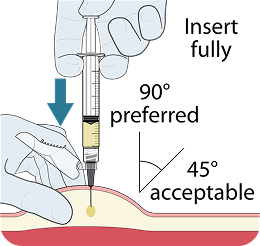
Injecting too superficially could lead to improper administration into the dermis. Intradermal injection of lenacapavir has been associated with serious ISRs, including necrosis and ulcer. Ensure LEN for PrEP is only administered subcutaneously.1


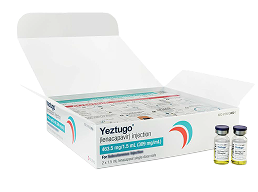
YEZTUGO Injection Kit1


YEZTUGO injection is supplied in a single-use dosing kit (NDC 61958-3402-1), containing all the necessary components for two 1.5 mL injections (one complete dose), including withdrawal and injection needles.

YEZTUGO Injection Kit Components
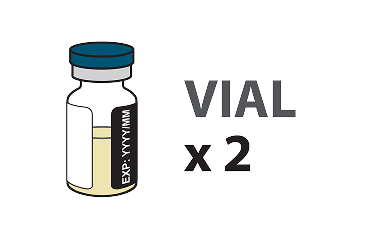
Two vials of 1.5 mL
LEN for PrEP
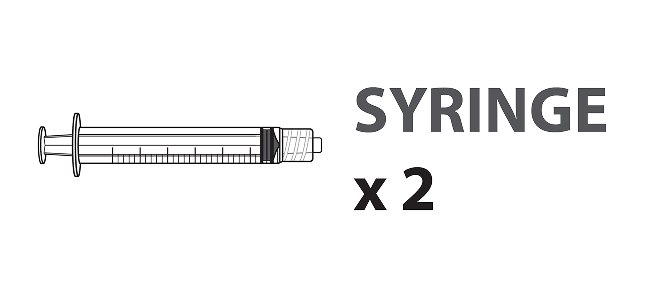
Two syringes for injecting LEN for PrEP
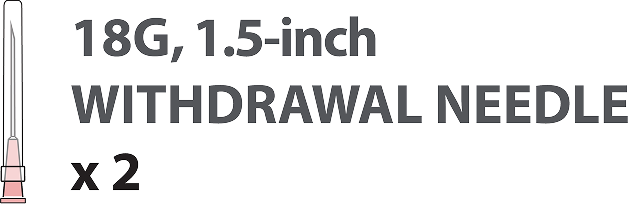
Two 18G, 1.5-inch needles with a pink hub for withdrawing LEN for PrEP from the vials
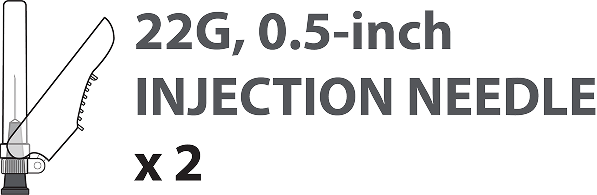
Two 22G, 0.5-inch needles for injecting LEN for PrEP

NOTE: All components are for single use.

If the needle becomes damaged or unusable in some way (e.g., dropped on the floor or otherwise contaminated), that needle should not be used. Contact Gilead Sciences to request a replacement needle.2
For replacement needles contact 1-800-GILEAD-5 (1-800-445-3235) and select option #2.
At this time, it is recommended to use the injection needle provided in the kit. This needle has been designed to help optimize the SC injection experience.2

Prior to injection, ensure that:1

  • Vial and prepared syringe contain a yellow solution with no particles. Do not use if the solution is discolored or if it contains particulate matter.
  • Contents are not damaged.
  • Product is not expired.
  • Aseptic technique is used.
  • Once the solution is withdrawn from the vials, the subcutaneous injections should be administered as soon as possible.


LEN for PrEP Injection Steps:

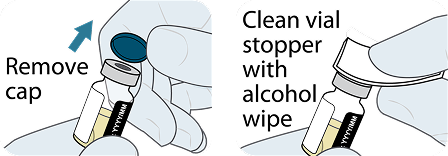
1
Prepare vial
  • Remove cap from the vial.1
  • Clean vial stopper with alcohol wipe.1
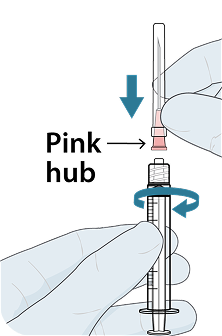
2
Prepare withdrawal needle
  • Attach 18G withdrawal needle to syringe by the pink hub.1
3
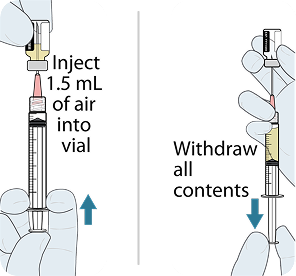
Fill syringe
  • Insert the withdrawal needle into the rubber stopper of vial.1
  • Inject 1.5 mL of air into the vial.1
  • Fill the syringe by withdrawing all contents.1
4
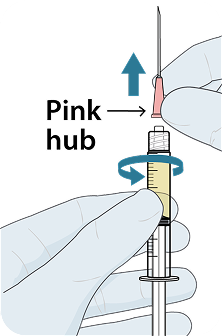
Remove 18G withdrawal needle from syringe
  • Remove withdrawal needle by pulling the pink hub away from the syringe.1
5
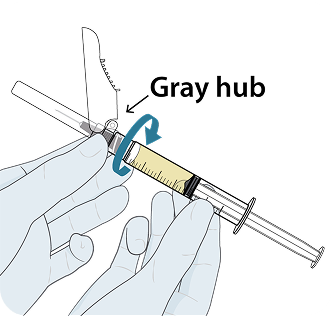
Prepare injection needle
  • Attach 22G injection needle to syringe.1
  • Expel air bubbles.1
  • Prime the needle to 1.5 mL.1
6
Select and clean an injection site
  • Select an injection site and clean it.1 You may rotate the injection site from previous injection(s).3
  • Injection site should be at least 2 inches from navel if injecting into the abdomen.1
  • The thigh may be used as alternate site if preferred.1
7
Inject 1.5 mL of LEN for PrEP subcutaneously
  • Gently pinch the skin.1
  • Ensure the needle is fully inserted for proper SC administration. Injecting too superficially may increase the chance of a serious ISR.1
  • Inject the whole content SC at an angle to the site (90° is preferred but 45° - 90° range is acceptable).1 Be cautious not to withdraw the needle while injecting.3
  • Pause for several seconds after the injection is complete prior to withdrawing the needle to ensure that the full dose has been administered.3
  • Engage safety mechanism on needle and dispose immediately.3
8
Administer 2nd
injection
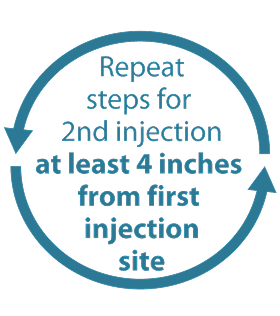
  • Repeat Steps 1 through 7 for second injection using the new withdrawal needle, injection needle, and syringe provided for the second injection.1
  • Choose a second injection site at least 4 inches from the first injection site and 2 inches from the navel.1
See the YEZTUGO full Prescribing Information, including Boxed Warning, and Instructions for Use video for more information on administration.
CYP3A=cytochrome P450 3A; HIV-1=human immunodeficiency virus type 1; LEN for PrEP=lenacapavir for pre-exposure prophylaxis; SC=subcutaneous.

REFERENCES:

  1. YEZTUGO Prescribing Information. Gilead Sciences, Inc. 2025.
  2. Data on file. Gilead Sciences, Inc. 2025.
  3. Shepherd E. Nursing Times[online];2018;114(9):55-57.

The injection site should not be massaged or subjected to pressure post-injection.3


Needle Removal
Remove the needle from the skin at the same angle at which it was inserted.1
Leakage

A small amount of drug leakage may occur.2-4 Leakage may be absorbed by small gauze.5

LEN has a bright yellow color so a relatively small amount of drug leakage could appear more noticeable.1

Bandages
Gently apply a bandage to injection site, if needed.6
Ice
Post-injection ice may help to reduce pain.7,8
Oral Analgesic
If clinically appropriate, consider acetaminophen or an NSAID after injection if not contraindicated.7


These post-injection care strategies are not specific to LEN for PrEP.

See the YEZTUGO full Prescribing Information, including Boxed Warning, and Instructions for Use video for more information on administration.
LEN for PrEP=lenacapavir for pre-exposure prophylaxis; NSAID=non-steroidal anti-inflammatory drug.

REFERENCES:

  1. Schechter NL, et al. Pediatrics. 2007;119(5):e1184-98. doi: 10.1542/peds.2006-1107.
  2. YEZTUGO Prescribing Information. Gilead Sciences, Inc. 2025.
  3. Shepherd E. Nursing Times[online];2018;114(9):55-57.
  4. Hunter J. Nurs Stand. 2008;22(21):41-4. doi: 10.7748/ns2008.01.22.21.41.
  5. Data on file. Gilead Sciences, Inc. 2025.
  6. CDC Epidemiology and Prevention of Vaccine-Preventable Diseases. Hall E., Wodi A.P., Hamborsky J., et al., eds. 14th ed (2021) Chapter 6 pg 83.
  7. Kroger A, Bahta L, Long S, Sanchez P. General Best Practice Guidelines for Immunization. Best Practices Guidance of the Advisory Committee on Immunization Practices (ACIP). https://www.cdc.gov/vaccines/hcp/acip-recs/general-recs/downloads/general-recs.pdf. Accessed on May 15, 2025.
  8. Kelley C, et al. New Engl J Med. 2025;392(13):1261-1276. doi: 10.1056/NEJMoa2411858.
YEZTUGO tablets are for oral administration. Each bottle contains 4 tablets.
  • Store bottle at 20°C-25°C (68°F-77°F); excursions permitted to 15°C-30°C (59°F-86°F).
  • Keep bottle tightly closed.
  • Dispense and store only in original container.
YEZTUGO injection is packaged in a dosing kit for SC administration. Each dosing kit includes 2 single-dose glass vials.a
  • Store kit at 20°C-25°C (68°F-77°F); excursions permitted to 15°C-30°C (59°F-86°F). DO NOT REFRIGERATE.
  • Keep the vials in the original carton until just prior to preparation of the injections to protect from light.
  • Once the solution has been drawn into the syringes, the injections should be administered as soon as possible.
  • Discard any unused portion of the solution.
a The kit also contains 2 disposable syringes, 2 withdrawal needles (18-gauge, 1.5-inch), and 2 injection safety needles for subcutaneous injection (22-gauge, 0.5-inch) – all the necessary components for two 1.5 mL injections (one complete dose) of YEZTUGO.
SC=subcutaneous.

REFERENCE:

  1. YEZTUGO Prescribing Information. Gilead Sciences, Inc. 2025.

To help ensure correct administration technique, here are some key points to consider:

  • Ensure team members are fully trained on how to administer LEN for PrEP per full U.S. Prescribing Information.
  • Team members should be prepared to answer questions about the injection process and educate on potential adverse events, such as injection site reactions, as outlined in the “Patient Counseling Information” section of the full U.S. Prescribing Information.
  • Counsel and support individuals on:
    • adhering to the required initiation and continuation dosing schedule,
    • the use of other measures to reduce the likelihood of STIs, and
    • testing for HIV-1 and other STIs.
  • Some individuals, such as adolescents, may benefit from additional counseling and appointment reminders to support adherence.
HIV-1=human immunodeficiency virus type 1; LEN for PrEP=lenacapavir for pre-exposure prophylaxis; STIs=sexually transmitted infections; U.S.=United States.

REFERENCE:

  1. YEZTUGO Prescribing Information. Gilead Sciences, Inc. 2025.

The most common adverse drug reactions (all grades) reported in at least 5% of participants receiving LEN for PrEP in either PURPOSE 1 or PURPOSE 2 were ISRs, headache, and nausea.1

Adverse Drug Reactions (ADRs) Reported in ≥2%a of Participants Receiving LEN for PrEP in PURPOSE 1 and PURPOSE 21a

aFrequencies of adverse drug reactions are based on all adverse events attributed to study drug (or to the procedure for injection site reactions) by the investigator.
bParticipants received placebo subcutaneous injections (polyethylene glycol 400).


Injection-site Reactions (All Grades) Reported in ≥2% of Participants Receiving LEN for PrEP in PURPOSE 1 and PURPOSE 21a

aFrequencies are based on all injection site reactions attributed to study drug (or to the procedure) by the investigator.
bParticipants received placebo subcutaneous injections (polyethylene glycol 400).
cOnly includes F/TDF (N=1070)


Grade 3 ISRs were reported in:1

  • 4 (0.2%) participants in PURPOSE 1 and included ulcer and nodule.
  • 14 (0.6%) participants in PURPOSE 2 and included ulcer, pain, erythema, edema, and dermatitis.

None of the ISRs in PURPOSE 1 and PURPOSE 2 trials were serious.

To report SUSPECTED ADVERSE DRUG REACTIONS, contact Gilead Sciences, Inc. at 1-800-GILEAD-5 or FDA at 1-800-FDA-1088 and select option #3, or www.fda.gov/medwatch.

For more information, please refer to YEZTUGO full Prescribing Information, including Boxed Warning.
* PURPOSE 1 is a phase 3, double-blind, active-controlled, multicenter, randomized study of twice-yearly SC LEN for PrEP, daily oral emtricitabine/tenofovir alafenamide (F/TAF) or emtricitabine/tenofovir disoproxil fumarate (F/TDF) for HIV prevention in cisgender women in South Africa and Uganda. The HIV incidence in adolescent girls and young women not receiving PrEP in these countries was at least 3.5/100 person-years in recent trials.
The PURPOSE 2 study is a phase 3, double-blind, active-controlled, multicenter, randomized trial designed to evaluate safety and efficacy of twice-yearly subcutaneous LEN for PrEP for HIV prevention in cisgender gay, bisexual, and other men, transgender women, transgender men, and gender non-binary individuals who have condomless receptive anal sex with partners assigned male at birth.
F/TDF=emtricitabine/tenofovir disoproxil fumarate; LEN for PrEP=lenacapavir for pre-exposure prophylaxis.

REFERENCES:

  1. YEZTUGO Prescribing Information. Gilead Sciences, Inc. 2025.
  2. Bekker L, et al. New Engl J Med. 2024; 391(13):1179-1192. doi: 10.1056/NEJMoa2407001.
  3. Kelley C, et al. New Engl J Med. 2025;392(13):1261-1276. doi: 10.1056/NEJMoa2411858.
Prevention Strategy

LEN for PrEP as Part of an Overall HIV-1 Prevention Strategy1

  • Counsel individuals that LEN for PrEP should be used as part of an overall HIV-1 prevention strategy that includes adherence to the administration schedule and safer sex practices – including condoms – to reduce the likelihood of sexually transmitted infections (STIs).
  • Individuals should know that LEN for PrEP is not always effective in preventing HIV-1 acquisition. The time from initiation of LEN for PrEP to maximal protection against HIV-1 is unknown.
  • Counsel individuals on the use of other prevention measures (e.g., knowledge of partner HIV-1 status, testing for STIs, condom use). Inform individuals about and support their efforts in reducing sexual behaviors associated with an increased likelihood of HIV-1 acquisition.
  • Counsel individuals on the importance of:
    • Adhering to the required initiation and continuation dosing schedule.
    • Using additional measures to reduce the risk of STIs.
    • Regular testing for HIV-1 and other STIs.


Supporting Individuals with HIV-1 Prevention1

  • Support individuals by:
    • Providing guidance on managing the dosing schedule.
    • Offering resources and education on STI prevention strategies.
    • Emphasizing the role of routine testing in overall sexual health.
    • Some individuals, such as adolescents, may benefit from additional counseling and appointment reminders to support adherence to the dosing and testing schedule.
For more information on counseling individuals who have been prescribed LEN for PrEP, see YEZTUGO full Prescribing Information, including Boxed Warning.
HIV-1=human immunodeficiency virus type 1; LEN for PrEP=lenacapavir for pre-exposure prophylaxis.

REFERENCE:

  1. YEZTUGO Prescribing Information. Gilead Sciences, Inc. 2025.

Pregnancy1


Clinical Considerations

  • Published studies indicate an increased likelihood of HIV-1 acquisition during pregnancy and an increased likelihood of mother-to-child transmission during acute HIV-1 infection.
  • Consideration should be given to methods to reduce the likelihood of HIV-1 acquisition, including continuing or initiating LEN for PrEP, during pregnancy in women with an increased likelihood of acquiring HIV-1.


Risk Summary

  • Data from PURPOSE 1 with LEN for PrEP use during pregnancy have not identified a drug-associated risk for miscarriage, or adverse maternal or fetal outcomes when compared to active control.
  • The rate of major birth defects in LEN for PrEP-exposed pregnancies did not exceed the background prevalence rates.
  • Risk estimates are imprecise due to small numbers of exposed pregnancies.


Pregnancy Exposure Registry

  • There is a pregnancy exposure registry that monitors pregnancy outcomes in individuals exposed to lenacapavir during pregnancy. Healthcare providers are encouraged to register individuals by calling the Antiretroviral Pregnancy Registry (APR) at 1-800-258-4263.


Lactation1


  • Lenacapavir is present in human milk.
  • Lenacapavir was detected at very low levels in infants who were breastfed by individuals who became pregnant while receiving LEN for PrEP; however, no adverse effects of lenacapavir in breastfed infants have been observed.
  • It is not known if LEN for PrEP affects milk production.
  • In women without HIV-1, the developmental and health benefits of breastfeeding and the mother’s clinical need for LEN for PrEP should be considered along with any potential adverse effects on the breastfed child from LEN for PrEP and the likelihood of HIV-1 acquisition due to nonadherence and subsequent mother-to-child transmission.
For more information on counseling individuals who have been prescribed LEN for PrEP, see YEZTUGO full Prescribing Information, including Boxed Warning.
HIV-1=human immunodeficiency virus type 1; LEN for PrEP=lenacapavir for pre-exposure prophylaxis.

REFERENCE:

  1. YEZTUGO Prescribing Information. Gilead Sciences, Inc. 2025.

Drug-Drug Interactions1

  • Inform individuals that LEN for PrEP may interact with certain drugs.
  • Advise individuals who are taking LEN for PrEP to:
    • Report the use of any other prescription and non-prescription medications to their healthcare provider.
    • Inform their healthcare provider about the use of any herbal products when taking LEN for PrEP.
    • Discuss potential drug interactions with their healthcare provider before starting or stopping any medications.


Discontinuing LEN for PrEP1

  • If LEN for PrEP is discontinued, advise individuals that:
    • LEN for PrEP may remain in the body and affect certain medications for up to 9 months after the last injection.
    • Individuals should inform healthcare providers about previous use of LEN for PrEP when starting new medications within 9 months of discontinuation.
For more information on drug interactions, see LEN for PrEP DDI Considerations and refer to YEZTUGO full Prescribing Information, including Boxed Warning.
DDI=drug-drug interaction; LEN for PrEP=lenacapavir for pre-exposure prophylaxis.

REFERENCE:

  1. YEZTUGO Prescribing Information. Gilead Sciences, Inc. 2025.

Potential Risk of Developing Resistance to LEN for PrEP1

  • Advise individuals that there is an increased likelihood of developing resistance to LEN for PrEP if HIV-1 is acquired before, when receiving, or following discontinuation of LEN for PrEP. HIV-1 resistance substitutions may emerge in individuals with undiagnosed HIV-1 who are taking only LEN for PrEP, because LEN for PrEP alone does not constitute a complete regimen for HIV-1 treatment. Inform individuals that LEN for PrEP can remain in the body for up to 12 months or longer after receiving their last injection.


Routine Testing to Minimize the Risk of Resistance1

  • Emphasize that routine HIV-1 testing is part of the strategy for the prevention of HIV and individuals must routinely test to confirm HIV-1 negative status to minimize risk of developing resistance.
  • Advise individuals that if they are confirmed to have HIV-1, they must immediately initiate HIV-1 treatment. Prompt initiation of HIV-1 treatment is critical to manage infection and reduce resistance risks.
  • Inform individuals that alternative forms of PrEP should be considered and initiated within 28 weeks of the last LEN for PrEP injection.
For more information on resistance to LEN for PrEP, refer to YEZTUGO full Prescribing Information, including Boxed Warning.
HIV-1=human immunodeficiency virus type 1; LEN for PrEP=lenacapavir for pre-exposure prophylaxis.

REFERENCE:

  1. YEZTUGO Prescribing Information. Gilead Sciences, Inc. 2025.
  • Inform individuals that LEN for PrEP can remain in the body for up to 12 months or longer after receiving their last injection.1
  • Inform individuals that alternative forms of PrEP should be considered and initiated within 28 weeks of the last LEN for PrEP injection.1
  • If LEN for PrEP is discontinued, advise individuals that LEN for PrEP may remain in the body and affect certain other drugs for up to 9 months after receiving their last injection.1
LEN for PrEP=lenacapavir for pre-exposure prophylaxis.

REFERENCE:

  1. YEZTUGO Prescribing Information. Gilead Sciences, Inc. 2025.

LEN for PrEP adherence and persistence are crucial for achieving optimal outcomes.1

  • Adherence is defined as how closely an individual follows the dosing regimen recommended by their healthcare providers.2
    • Across PrEP clinical trials, level of adherence correlates to the efficacy of PrEP medication.2
  • Persistence is defined as duration of ongoing use.2
    • During periods where the likelihood of HIV acquisition peaks, persistent PrEP use is crucial to help reduce the likelihood of HIV acquisition.2
  • Counsel individuals about the importance of adherence to scheduled LEN for PrEP dosing visits.1

Importance of Staying on Schedule1

Advise individuals to stay under the care of a healthcare provider while receiving LEN for PrEP.
Emphasize that it is important to:

  • Attend scheduled appointments to receive LEN for PrEP injections every 6 months (26 weeks) ± 2 weeks.
  • Maintain regular communication with healthcare provider regarding their LEN for PrEP injection schedule.
  • Routinely test for HIV-1 and other STIs.

Emphasize the importance of receiving LEN for PrEP as scheduled because:

  • Missing LEN for PrEP injections or LEN for PrEP tablets increases the likelihood of acquiring HIV-1.
  • Staying on schedule ensures continuous protection against HIV-1 acquisition.

If an individual is unable to attend a scheduled 6-month (26 weeks) ± 2 weeks injection appointment:

  • Advise individuals to call their healthcare provider right away to discuss PrEP options.
  • Discuss potential adjustments to the prevention plan to maintain protection.
  • Advise taking 1 LEN for PrEP tablet by mouth once every 7 days until injections resume.
  • Tablets may be taken for up to 6 months, if needed, until injections resume.
  • The continuation injection dosage should resume within 7 days after the last oral dose.


Some things to consider before booking an individual’s 6-month (26 weeks) ± 2 weeks LEN for PrEP injection appointment:

  • Upcoming government holiday or other holiday schedules.
  • Other appointment(s) an individual may have at the clinic around the same time. Booking on the same day enhances convenience, prompting adherence.

Anticipated Delayed Continuation Injections1

  • If a scheduled continuation injection is anticipated to be delayed by more than 2 weeks:
    • Advise individuals to contact their healthcare provider.
    • LEN for PrEP tablets may be used on an interim basis only for up to 6 months, if needed, until injections resume.
      • Weekly oral dosage of 300 mg taken once every 7 days.
      • Resume the continuation injection dosage within 7 days after the last oral dose.
  • Emphasize the importance of:
    • Resuming LEN for PrEP injections as soon as possible. Oral dosing with LEN for PrEP tablets should be used on an interim basis only.
    • Following the prescribed oral dosing schedule precisely to maintain protection against HIV-1.

Missed Injections1

  • Individuals who miss a scheduled injection visit should be clinically reassessed to ensure resumption of LEN for PrEP remains appropriate and that the individual remains HIV-1 negative.
  • During continuation dosing, if more than 28 weeks have passed since the last injection and LEN for PrEP tablets have not been taken:
    • Restart the initiation process from Day 1 and Day 2 and then continue with continuation injection dosing.
    • Adherence to the injection dosing schedule is strongly recommended.

Missed Oral Initiation Dose1

  • If the Day 2 oral initiation dose (600 mg) is missed, take it as soon as possible.
  • Do not take Day 1 and Day 2 oral initiation doses on the same day.

HIV-1=human immunodeficiency virus type 1; LEN for PrEP=lenacapavir for pre-exposure prophylaxis; STIs=sexually transmitted infections.


REFERENCES:

  1. YEZTUGO Prescribing Information. Gilead Sciences, Inc. 2025.
  2. Huang YLA, Tao G, Smith DK, et al. Persistence with Human Immunodeficiency Virus Pre-exposure Prophylaxis in the United States, 2012-2017. Clinical Infectious Disease. 2021;72(3):379–85.

HIV-1=human immunodeficiency virus type 1; LEN for PrEP=lenacapavir for pre-exposure prophylaxis.


REFERENCE:

  1. YEZTUGO Prescribing Information. Gilead Sciences, Inc. 2025.

For access and support resources, including information on Advancing Access and acquisition of LEN for PrEP, visit PrEP.AdvancingAccess.com.

Highlights of Prescribing Information1

These highlights do not include all the information needed to use LEN for PrEP safely and effectively. See full prescribing information for YEZTUGO.

YEZTUGO® (lenacapavir) tablets, for oral use
YEZTUGO® (lenacapavir) injection, for subcutaneous use

INDICATIONS AND USAGE

  • LEN for PrEP (marketed as YEZTUGO), a human immunodeficiency virus type 1 (HIV-1) capsid inhibitor, is indicated for pre‑exposure prophylaxis (PrEP) to reduce the risk of sexually acquired HIV-1 in adults and adolescents weighing at least 35 kg who are at risk of HIV-1 acquisition. Individuals must have a negative HIV-1 test prior to initiating LEN for PrEP.

BOXED WARNING: RISK OF DRUG RESISTANCE WITH USE OF LEN for PrEP FOR HIV-1 PRE-EXPOSURE PROPHYLAXIS (PrEP) IN UNDIAGNOSED HIV-1 INFECTION

Individuals must be tested for HIV-1 infection prior to initiating LEN for PrEP, and with each subsequent injection of LEN for PrEP, using a test approved or cleared by the FDA for the diagnosis of acute or primary HIV-1 infection. Drug-resistant HIV-1 variants have been identified with the use of LEN for PrEP by individuals with undiagnosed HIV-1 infection. Do not initiate LEN for PrEP unless negative infection status is confirmed. Individuals who acquire HIV-1 while receiving LEN for PrEP must transition to a complete HIV-1 treatment regimen.

DOSAGE AND ADMINISTRATION

  • HIV-1 screening: Screen all individuals for HIV-1 infection prior to initiating LEN for PrEP, prior to each injection of LEN for PrEP, and additionally as clinically appropriate.
  • Dosing schedule: Initiation dosing (injection and tablets) followed by once every 6-months continuation injection dosing. Tablets may be taken without regard to food.
Initiation
  • Day 1
    • 927 mg by subcutaneous injection (2 x 1.5 mL injections) and
    • 600 mg orally (2 x 300 mg tablets)
  • Day 2
    • 600 mg orally (2 x 300 mg tablets)
Continuation

927 mg by subcutaneous injection (2 x 1.5 mL injections) every 6 months (26 weeks) from the date of the last injection +/-2 weeks.

  • Anticipated delayed injections: If scheduled injection is anticipated to be delayed by more than 2 weeks, LEN for PrEP tablets may be used on an interim basis (for up to 6 months if needed) until injections resume. Dosing schedule for delayed injection is 300 mg orally once every 7 days.
  • Missed injections: If more than 28 weeks have elapsed since the last injection and LEN for PrEP tablets have not been taken, restart initiation from Day 1 if clinically appropriate.
  • Dosage modifications (supplemental doses) of LEN for PrEP are recommended when initiating strong or moderate CYP3A inducers.
  • LEN for PrEP injection is for subcutaneous administration only. Two 1.5 mL injections are required for a complete dose.

DOSAGE FORMS AND STRENGTHS

  • Tablets: 300 mg of lenacapavir
  • Injection: 463.5 mg/1.5 mL (309 mg/mL) of lenacapavir in single-dose vials

CONTRAINDICATIONS

  • Unknown or positive HIV-1 status.

WARNINGS AND PRECAUTIONS

  • Comprehensive management to prevent HIV-1 acquisition.
  • Potential risk of developing resistance to lenacapavir if an individual acquires HIV-1 either before or when receiving LEN for PrEP, or following discontinuation of LEN for PrEP. Test before each injection and additionally as clinically appropriate to confirm HIV-1 negative status.
  • Residual concentrations of lenacapavir may remain in systemic circulation for up to 12 months or longer.
  • Improper administration (intradermal injection) has been associated with serious injection site reactions.

ADVERSE DRUG REACTIONS

  • Most common adverse drug reactions (incidence greater than or equal to 5%, all grades) are injection site reactions, headache, and nausea.

To report SUSPECTED ADVERSE DRUG REACTIONS, contact Gilead Sciences, Inc. at 1-800-GILEAD-5 or FDA at 1-800-FDA-1088 and select option #3, or www.fda.gov/medwatch.

DRUG INTERACTIONS

  • Consult the full Prescribing Information for important drug interactions with LEN for PrEP.

Please see YEZTUGO full Prescribing Information, including Boxed Warning.

LEN for PrEP=lenacapavir for HIV-1 pre-exposure prophylaxis.

REFERENCE:

  1. YEZTUGO Prescribing Information. Gilead Sciences, Inc. 2025.
Contact your local Gilead Medical Science Liaison (MSL) for more information.
Meet your MSL